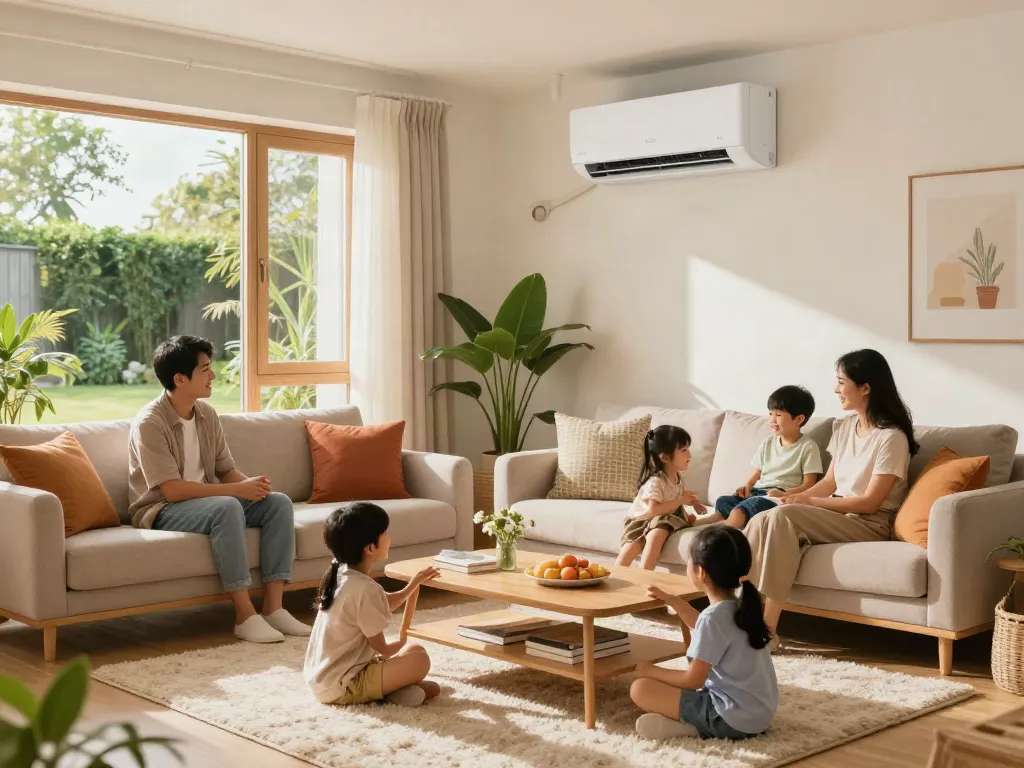
Understanding Ductless Air Conditioners
Ductless air conditioners, also known as mini-split systems, have gained significant popularity due to their flexibility, efficiency, and ease of installation. Unlike traditional central air conditioning units, ductless systems do not require extensive ductwork, which makes them ideal for a variety of spaces. They are particularly beneficial for homeowners looking for a cost-effective cooling solution that can be tailored to specific areas of their home. When exploring options, ductless air conditioner provide comprehensive insights into optimizing comfort while reducing energy consumption.
What Is a Ductless Air Conditioner?
A ductless air conditioner is a type of HVAC system that consists of two main components: an indoor unit and an outdoor unit. They work together to provide both heating and cooling without the need for ductwork. The indoor unit, typically mounted on a wall or ceiling, contains the evaporator coil, fan, and air filters. The outdoor unit houses the compressor and condenser. This separation allows for greater efficiency and flexibility in installation.
How Ductless Air Conditioning Works
These systems operate on a simple principle: they absorb heat from the indoor air and transfer it outside during the cooling process. Conversely, during heating, they extract ambient heat from the outside air and transfer it indoors. This is achieved through refrigerant that circulates between the indoor and outdoor units, changing states from liquid to gas and vice versa, depending on whether it is cooling or heating the interior space.
Benefits of Ductless Systems Over Traditional AC
Ductless air conditioning systems offer several advantages compared to traditional central air conditioning systems:
- Energy Efficiency: Ductless systems typically consume less energy since they avoid the energy losses associated with ductwork.
- Zone Control: Multiple indoor units can be connected to one outdoor unit, allowing homeowners to cool or heat specific rooms according to need, leading to greater comfort.
- Easy Installation: Ductless systems require minimal installation work since they do not need extensive ductwork, making them a less invasive option.
- Improved Air Quality: With no ducts, there are fewer places for dust and allergens to accumulate, improving indoor air quality.
Installation Process for Ductless Air Conditioners
Installing a ductless air conditioner requires careful planning and execution to ensure optimal performance. Here’s a breakdown of the installation process:
Choosing the Right Location for Installation
Selecting an appropriate location for both the indoor and outdoor units is crucial. The indoor unit should be positioned to facilitate good air circulation in the room while the outdoor unit must be placed where it can expel heat efficiently. Factors such as sun exposure, proximity to trees or shrubs, and noise levels should be considered.
Installation Steps: A Detailed Guide
The following steps outline the installation process for a ductless air conditioning unit:
- Mount the Indoor Unit: Securely attach the mounting bracket to the wall and install the unit, ensuring it is level.
- Drill a Hole: Create a small hole in the wall for the refrigerant line, condensate drain, and electrical connections.
- Install the Outdoor Unit: Position the outdoor unit on a stable platform, ensuring adequate airflow around it.
- Connect the Lines: Connect the refrigerant lines, condensate drain, and electrical wires between the indoor and outdoor units.
- Test the System: Once everything is connected, test the system to ensure it functions correctly.
Cost Factors Influencing Ductless AC Installation
Several factors can influence the overall cost of installing a ductless air conditioner:
- Number of Indoor Units: More indoor units will increase both equipment and installation costs.
- Difficulty of Installation: If the installation site poses challenges (e.g., high walls, complex roof structures), costs may rise.
- Electrical Work: Upgrading electrical systems may be necessary for some installations, adding to the overall price.
- Seasonal Pricing: Installation costs can vary based on the time of year, as demand influences pricing.
Comparing Ductless and Central Air Conditioning
When considering cooling options, it’s important to compare ductless systems with traditional central air conditioning units to determine which is best for your needs.
Energy Efficiency and Cost Savings
Ductless systems often provide superior energy efficiency compared to central air conditioning systems. They eliminate the energy loss associated with ductwork, which can account for 20-30% of heating and cooling energy use. Additionally, homeowners can enjoy cost savings on energy bills by only cooling or heating areas that are occupied.
When to Choose a Ductless System
A ductless air conditioning system is an excellent choice for:
- Homes without existing ductwork
- Renovated spaces or additions
- Specific rooms that require additional cooling or heating
- Homeowners seeking to improve energy efficiency
Common Misconceptions About Ductless AC
Despite their benefits, ductless air conditioners are often misunderstood. Here are some common misconceptions:
- They are More Expensive: While the initial investment may be higher, long-term energy savings can make them more economical.
- They are Noisy: Modern ductless systems are designed for quiet operation and are often quieter than traditional window units.
- Installation is Complicated: With proper planning, installation can be straightforward, often requiring less time than central AC systems.
Maintenance Tips for Ductless Air Conditioning Systems
Maintaining your ductless air conditioner is key to ensuring its longevity and efficiency. Here are some maintenance tips:
Regular Maintenance Practices to Extend Lifespan
To keep your ductless system running smoothly, adhere to the following maintenance practices:
- Clean Filters: Ensure you regularly clean or replace the air filters to maintain air quality and efficiency.
- Inspect Drain Lines: Clear any debris from the condensate drain lines to prevent blockages.
- Service Annually: Schedule an annual maintenance check with a qualified technician to inspect the system and perform necessary repairs.
Signs Your Ductless AC Needs Repairs
Being aware of potential issues can prevent costly repairs. Look for these signs:
- Increased energy bills without a change in usage
- Unusual noises during operation
- Inconsistent temperatures between rooms
- Moisture or leakage around the indoor unit
How to Troubleshoot Common Ductless AC Issues
If you encounter issues with your ductless air conditioning system, consider these troubleshooting steps:
- Check the remote control batteries if the unit doesn’t respond.
- Ensure the filters are clean and not blocked.
- Verify that the outdoor unit is not obstructed by debris.
Future Trends in Ductless Air Conditioning (2026 and Beyond)
The ductless air conditioning industry is continually evolving, with several trends emerging as we move into 2026.
Smart Technology Integration in Ductless Units
Smart technology is becoming increasingly integrated into ductless air conditioners. Features such as Wi-Fi connectivity and smart thermostats allow users to control their systems remotely, creating a seamless experience in optimizing comfort and efficiency.
Environmentally Friendly Refrigerants and Their Impact
With an increasing emphasis on sustainability, manufacturers are transitioning to eco-friendly refrigerants that have lower global warming potential. This change promotes energy efficiency and aligns with global environmental goals.
Adapting Ductless Systems to Changing Climate Needs
As climate patterns change, ductless air conditioners are being designed to handle extreme temperatures more effectively. This adaptability ensures consistent comfort regardless of outside weather conditions.
What Are the Long-Term Benefits of Ductless Air Conditioners?
Long-term benefits of ductless systems include:
- Significant energy savings over time
- Improved air quality and comfort levels
- Increased property value due to modern HVAC solutions